Shape
Shape
Who Needs a Pocket Physio Max?
Tight muscles don't wait for a day off. They show up mid-run, mid-set, mid-ride. Right when you need your body to do what you're asking of it.
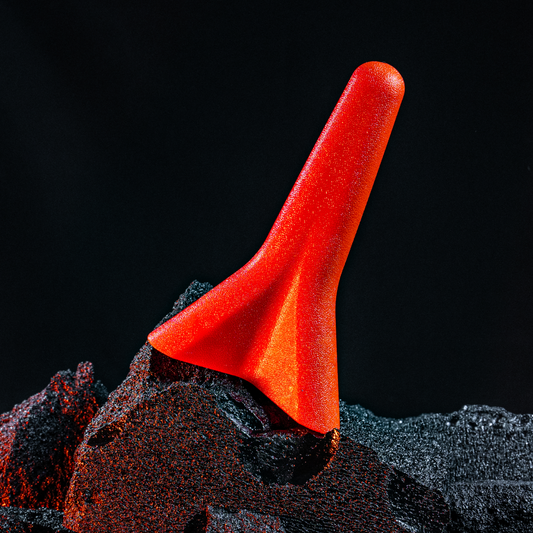
The Pocket Physio Max is built to find those trigger points and release them, fast. It replicates the pressure of a physio's elbow, so you can treat the muscle, not just the ache. Here's who gets the most out of one.
Runners
Tight glutes and hip flexors are the quiet cause behind a lot of runners' knee, IT band pain and lower back tightness. The muscles that drive you forward are the same ones that seize up after mileage, especially piriformis and glute medius, deep stabilisers that don't respond to a foam roller.
The Max gets in deep. Ten to fifteen seconds on the right spot, lying on the ground or against a wall, and the muscle switches off its guard response. Less tightness upstream means better hip drive and a lower back that isn't compensating for glutes that won't fire.
Cyclists
Hours in the saddle put cyclists in one position, hip-flexed, glutes compressed, for a very long time. That's a recipe for tight hip flexors, glutes and lower back, the exact areas the Max is built for.
Because it works best lying down or against a wall, it fits straight into a post-ride routine. Find the trigger point, hold, release. Simple maintenance that keeps your hips opening back up instead of locking into that riding position permanently.
Gym Lovers
Heavy lower body sessions load the glutes and hamstrings hard, and pec tightness from pressing movements pulls the shoulders forward. Left untreated, both start limiting range before they start limiting weight on the bar.
The Max handles both. Bigger muscle groups, more surface area, more pressure. It's the tool for people training hard enough that a standard release isn't cutting it anymore.
Athletes Looking for an Edge
For anyone chasing performance, the Max isn't recovery after the fact, it's part of staying ahead of the problem. Tightness in the glutes, hips and lower back changes movement patterns long before it becomes pain. Athletes who self-manage that tightness protect the movement quality that separates good performance from great.
This is the locker room secret professional squads have used for decades:
Preparation is key, Recovery is non-negotiable.